

In short: Starting nursery goes most smoothly when settling in is gradual: for the first few days you stay with your child, then you leave for a short time and extend your absence day by day. A short, predictable goodbye ritual, calm parents and a packing list prepared in good time – indoor shoes, backpack, spare clothes and a bottle or cup – all help.
Author: Eva Birsa, mum and co-founder of Evitas · Updated: 27 Sep 2026
Starting nursery or daycare is a big milestone for children and parents alike. The good news: most children settle within a few weeks when they are given time and a sense of security.
How does settling in at nursery work?
Most nurseries offer settling-in sessions in which a parent stays in the room for the first visits. Agree the exact plan with your child’s key person; it usually looks like this:
- First sessions: your child spends a short time at nursery (e.g. 1–2 hours) while you stay nearby and let them explore.
- First separation: once your child shows interest in play and in the key person, say goodbye for a short time (15–30 minutes) and come back.
- Building up: each day your child stays a little longer on their own – first until snack time, then lunch, and finally through nap time.
- Full day: when your child eats, plays and rests calmly, they can stay until the usual pick-up time.
Settling in often takes two to four weeks, sometimes longer. If you can, take a few days off work or adjust your hours during this time.
The goodbye ritual: short, clear, the same every day
- Always say goodbye – don’t sneak out. Otherwise your child feels less secure because they never know when you might disappear.
- Keep a short ritual: a hug, a kiss, a wave through the window, “I’ll pick you up after lunch”.
- Don’t drag out the goodbye. Crying at drop-off is normal and for most children passes quickly once they start playing.
- Come back when you promised and describe the time with an event (after snack, after lunch), not the clock.
- A comforter – a favourite toy or soother – can help, if the nursery allows it.
How to prepare at home
- A few weeks before, align your daily rhythm with the nursery’s (waking, meals, nap).
- Talk about nursery positively and concretely: what they will play, who will be there, when you will pick them up.
- If possible, walk past the nursery or visit it before the start.
- Practise independence: drinking from a cup, putting on shoes, washing hands.
- Look after yourself too: your calm rubs off on your child.
Nursery packing list
| What | What to look for |
|---|---|
| Indoor shoes or slippers | breathable, with a flexible non-slip sole, easy to put on – if your nursery asks for them |
| Backpack | light, the right size, with your child’s name |
| Spare clothes | 1–2 sets (underwear, socks, top, trousers), suited to the season |
| Bottle or cup | for babies and toddlers a straw cup or trainer cup your child already knows |
| Nappies and wipes | if your child still wears nappies – as instructed by the nursery |
| Outdoor clothes | waterproof jacket, wellies, hat (summer and winter) |
| Comforter | soother, muslin or toy, if the nursery allows it |
Label everything with your child’s name – nurseries are full of identical shoes and bags.
Indoor shoes for nursery
Children’s feet are still developing, so indoor shoes should be comfortable and stable, with a flexible non-slip sole and breathable materials. Ideally your child can put them on alone. We stock cotton Ciciban children’s slippers, designed for home and nursery.
A nursery backpack
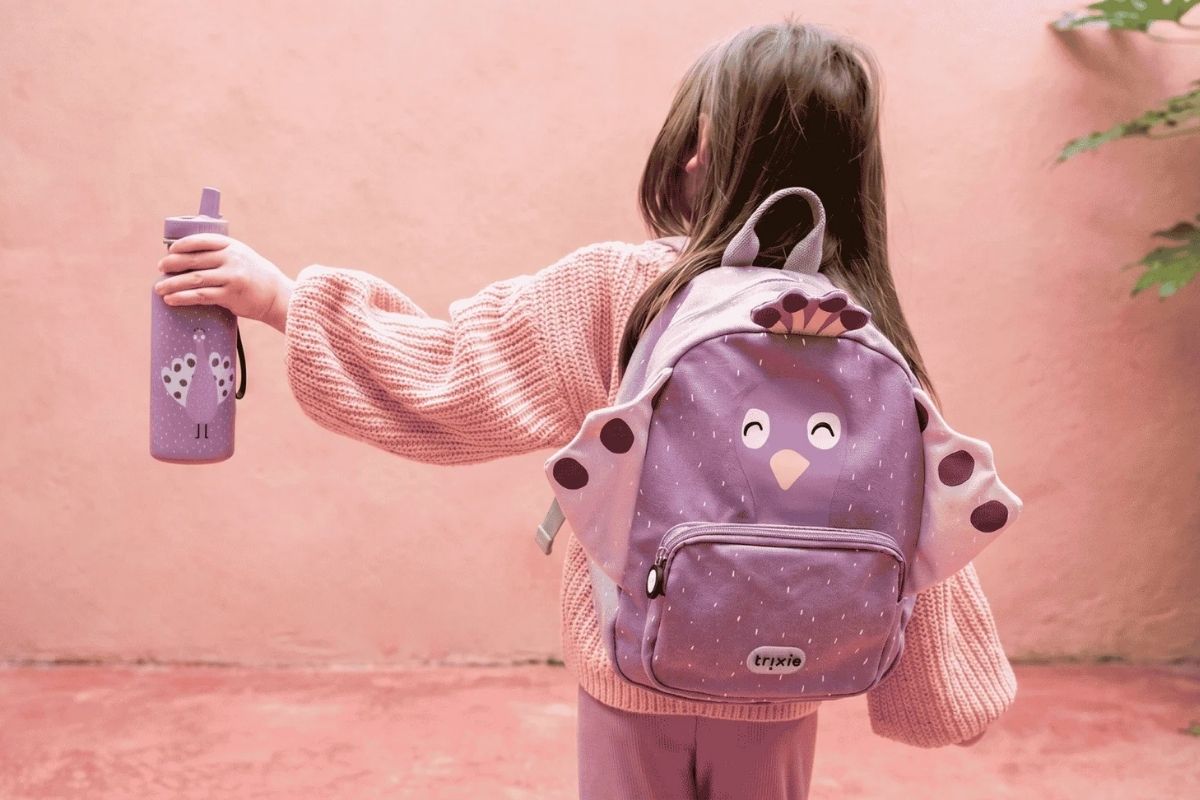
A backpack is also motivation: with their own “grown-up” bag, children head to nursery more proudly. It should be light and suit your child’s size. Browse our children’s backpacks or personalised backpacks with a name, such as the popular Trixie Baby animal backpacks.
Bottle or cup
For younger children a straw cup or a 360° trainer cup they already know from home is practical. You can also choose from straw bottles and personalised bottles with a name.
Illness in the first months of nursery
Once children start nursery they get ill more often, mostly with colds. This is expected, as their immune system meets lots of new viruses. Regular handwashing, enough sleep, a varied diet and routine vaccinations help. Your nursery’s policy sets out when a child must stay at home; if your child has a fever or seems unwell, speak to your GP or paediatrician.
For healthy meals at home, read our guide to weaning your baby.
Frequently asked questions
How long does settling in at nursery take?
Usually two to four weeks. Some children settle faster, others need more time – especially after illness or holidays, the upset can briefly return.
What if my child cries every morning?
Crying at drop-off is common in the first weeks. Say goodbye briefly and calmly and ask the staff how quickly your child settles. If it doesn’t ease after several weeks, agree a slower settling-in plan.
Can my child take a dummy or favourite toy?
Most nurseries allow a comforter, especially for nap time. Check your nursery’s rules.
How many spare clothes does my child need at nursery?
Usually one or two sets, more during potty training. Swap clothes as the seasons change.
What indoor shoes are best for nursery?
Breathable, comfortable shoes or slippers with a flexible non-slip sole that your child can put on and take off alone.
This content is for information only and does not replace advice from your GP, health visitor or paediatrician.



