

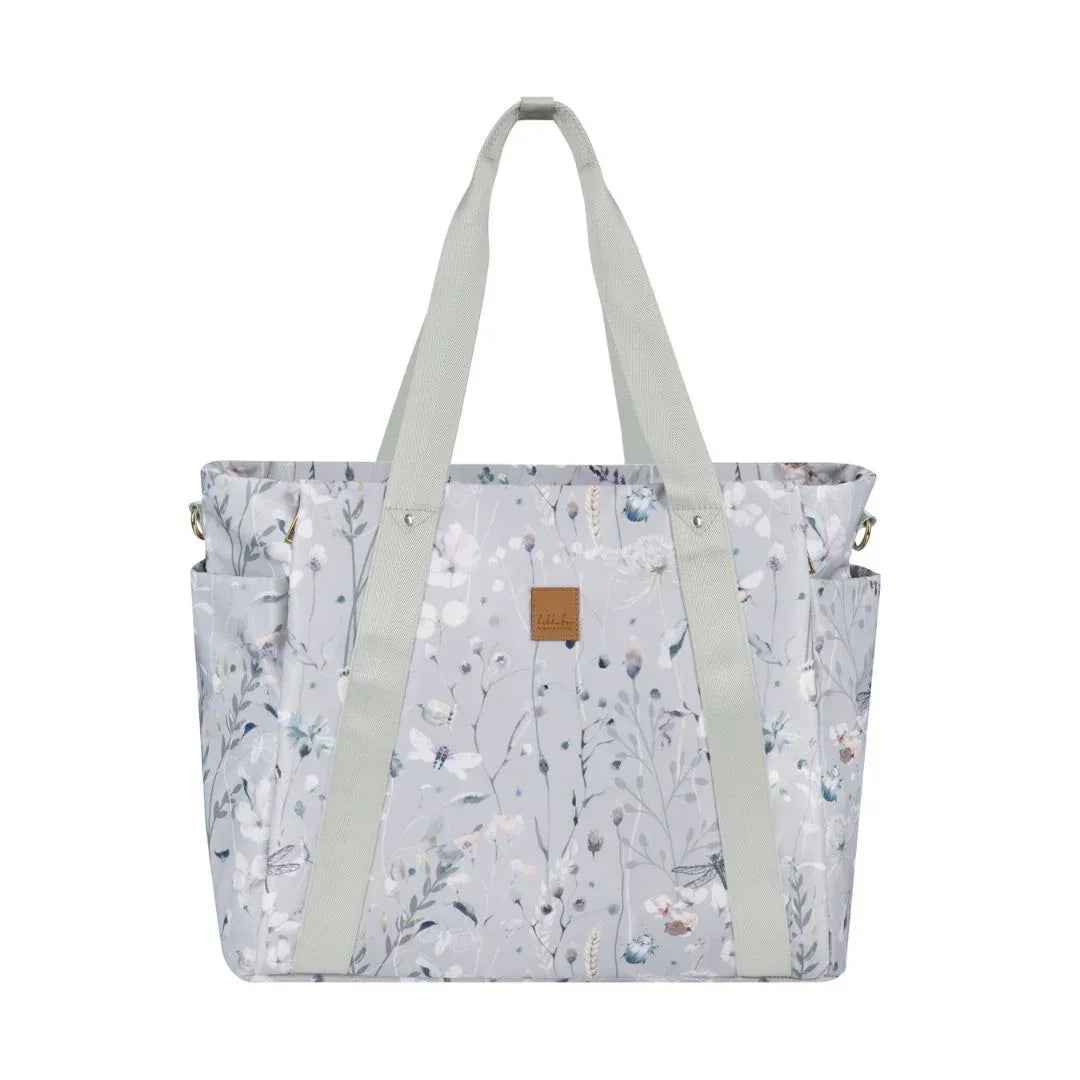
In short: Pack your hospital bag at least three weeks before your due date (around 36–37 weeks). It should hold your documents and notes, comfortable clothes, maternity pads and underwear for you, a going-home outfit for your baby, and an infant car seat already fitted in the car. Check with your hospital or birth centre what they provide.
By Eva Birsa, mum and co-founder of Evitas · Updated: 27 September 2026
When to pack your hospital bag
The NHS suggests having your bag packed at least 3 weeks before your due date, in case labour starts early. In practice that means around 36 to 37 weeks of pregnancy. Keep the bag near the door or in the car, and make sure your birth partner knows what's in it.
Important: hospitals differ in what they provide during your stay (for example nappies, baby clothes, maternity pads or a gown). Check with your hospital or birth centre – on its website, at antenatal classes or with your midwife – so you don't carry things you won't need.
Checklist for mum
Documents
- ID and health insurance card
- pregnancy notes, test results and your birth plan, if you have one
For labour
- a comfortable nightie or T-shirt for labour, a warm cardigan
- socks and slippers or sliders
- hair ties, lip balm
- water and a light snack (check what your hospital allows)
- phone, charger and a long cable
After the birth
- front-opening nightwear or pyjamas (for breastfeeding)
- 5–6 pairs of knickers (disposable ones are handy)
- 2 packs of super-absorbent maternity pads – shop pads and wipes and postpartum care
- 2–3 nursing bras and nursing pads (reusable or disposable?)
- toiletries, a towel, tissues
- a going-home outfit (loose, in the size you wore mid-pregnancy)
Checklist for baby
- 2–3 bodysuits and 2–3 sleepsuits in size 50–56
- a hat, socks and, if you like, scratch mittens
- a going-home outfit suited to the season, and a blanket
- newborn nappies and wipes (if the hospital doesn't provide them)
- 2–3 muslin squares
Your baby's things can go in a small changing bag you'll use for walks later.
Car seat for the trip home: sort it before the birth
To drive home from hospital you need an i-Size infant car seat, fitted rear-facing. Install and practise a few weeks before your due date, so you don't have to work out the harness and ISOFIX base on the day.
- Tighten the harness over thin clothing; a thick snowsuit or coat should not go under the straps – tuck a blanket over the buckled harness instead.
- The car seat is for travelling: The Lullaby Trust advises taking your baby out as soon as you arrive and placing them on a flat surface.
- A second-hand car seat of unknown history is not recommended.
Shop infant car seats 40–87 cm. More in How to choose a car seat and Rear-facing until age 4.
What you don't need in hospital
- lots of baby clothes – a few pieces are enough for a few days
- valuables and jewellery
- your full beauty kit – travel-size basics are enough
At home, have the basics ready: a safe place to sleep, nappies and a few clothes. The full overview is in our newborn essentials checklist.
Frequently asked questions
When should my hospital bag be ready?
The NHS suggests at least 3 weeks before your due date, so around 36–37 weeks. If you're expecting twins or have a higher-risk pregnancy, ask your midwife or doctor about timing.
Does the hospital provide nappies and baby clothes?
It varies from hospital to hospital. Check with yours what they provide and what you need to bring.
How many maternity pads do I need?
The NHS suggests 2 packs of super-absorbent pads. Keep a supply at home for the first weeks too.
Do I really need a car seat to go home?
Yes. In a car your baby must be secured in a suitable child seat – for a newborn that's a rear-facing infant car seat.
What should my baby wear to go home?
A bodysuit, sleepsuit, hat and socks; in cold weather add a thin fleece and tuck a blanket over the buckled harness, which should fit snugly.
Sources
This content is for information only and does not replace advice from your doctor or midwife.



